After the Last Bow: Learning to Breathe in the Silence That Swallows You Whole
Everybody talks about stage fright. There are books about it, podcasts dedicated to it, breathing exercises passed around like gospel. But nobody really warns you about what happens on the other side — that strange, hollow feeling that settles in after the last note fades, after the applause dies, after you've waved and smiled and walked off into the wings.
I used to think something was wrong with me.
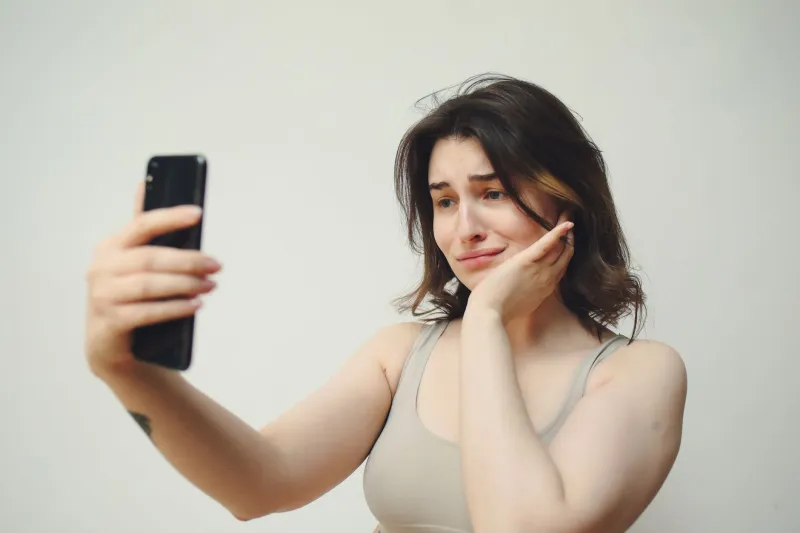
The show would end. People would come up afterward saying incredible things — you were amazing, I cried, that was everything — and I'd smile and hug them and mean it. But the second I was alone, usually in a car or a dressing room or a hotel bathroom at 11pm, it would hit me like a wall. Not sadness exactly. More like... deflation. Like someone had let the air out of a balloon and left just the rubber behind.
Turns out, there's a name for it. Some people call it post-performance depression. I've started calling it the crash. And the more I talk about it — carefully, honestly — the more I realize it's one of the most universal experiences among performers that almost no one brings up out loud.
The Chemistry Nobody Explains at Auditions
Here's the thing about performing: your body doesn't know the difference between running from a predator and singing your heart out in front of two hundred strangers. Either way, it floods your system with adrenaline, cortisol, dopamine — the whole cocktail. Your senses sharpen. Time does that weird stretchy thing. You feel alive in a way that's almost impossible to replicate anywhere else.
And then it's over.
Your nervous system, which has been running at a sprint, has to downshift back to a walk. That transition isn't graceful. It's more like slamming on the brakes at 80 miles per hour. The chemicals that made everything feel electric start to metabolize, and what's left in their wake is this flat, gray stillness that can feel genuinely disorienting.
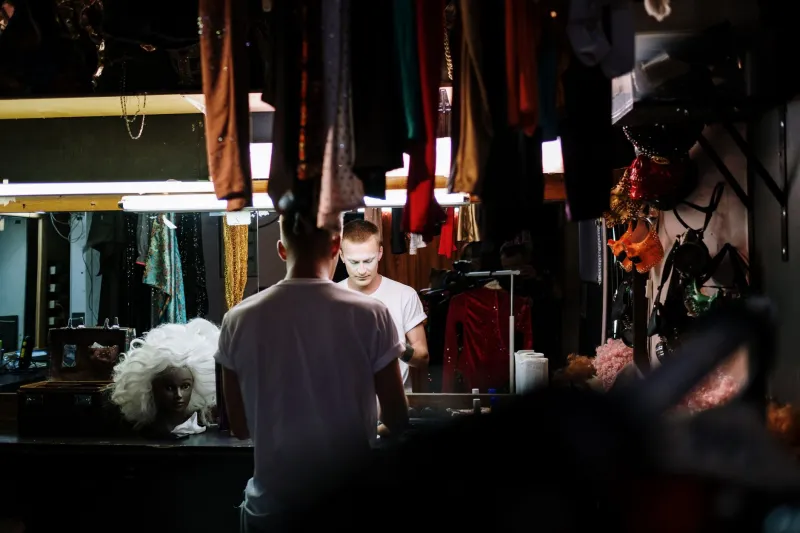
I've had nights where I sat in a parking lot for twenty minutes after a show just because I couldn't figure out what to do with my hands. The contrast between what I'd just felt onstage and what I felt in that car was so jarring it almost made me laugh. Almost.
The Quiet Feels Personal — But It Isn't
The tricky part is that the crash has a way of making you question everything. When you're in that dip, the show you just killed suddenly looks different. You start replaying the moments that didn't land perfectly. You wonder if people were just being polite. You feel weirdly invisible even though you'd just had a hundred sets of eyes on you.
I've learned — slowly, and with a lot of embarrassing journal entries — that this isn't a signal. It's not your gut telling you the show was bad or that you're a fraud. It's physiology. It's your brain recalibrating after an extraordinary amount of stimulation. The meaning you assign to that feeling in the moment is almost always wrong.
That said, knowing that doesn't make it feel less real when you're in it.
The Chase Nobody Talks About
One of the sneakier side effects of the crash is what it can push you toward. When the comedown feels bad enough, the temptation is to immediately start filling the silence — booking the next show, scrolling through comments, texting everyone who was there, starting a new project at midnight. Anything to get back to that feeling of being on.
I did this for years without even recognizing it as a pattern. I thought I was just motivated. Driven. A hard worker. And sure, some of that was true. But some of it was also that I'd unconsciously learned to be afraid of the quiet, because the quiet was where the crash lived.
The problem with constantly chasing the next rush is that it raises your baseline. The performances have to get bigger, the moments have to be more intense, the validation has to come faster. You stop being able to feel the smaller, softer good things because you've calibrated yourself only for the loud ones.
That's not sustainable. And it's not really living, either.
What I'm Actually Working On
I won't pretend I've solved this. I haven't. But I've gotten better at a few things.
First, I've started building in intentional wind-down time after performances. Not scrolling. Not recapping. Just something low-key — a long drive with music I love, a meal I actually taste, a conversation with someone who doesn't want to talk about the show at all. Giving my nervous system a bridge instead of a cliff.
Second, I've gotten better at recognizing the crash for what it is when it shows up. Instead of trying to outrun it, I've been practicing just... sitting in it for a minute. Naming it. This is the comedown. This is normal. This will pass. It sounds almost too simple, but that little bit of labeling takes some of the power out of it.
Third — and this one's taken the longest — I've been working on finding satisfaction in the thing itself, not just in how it lands. The show. The moment. The work. Not the response to it. Because the response will always be temporary. The crowd goes home. The comments scroll away. What stays is whether you showed up fully for the thing you made.
Living Out Loud Means Living Through the Quiet Too
I think a lot about what it means to share your life publicly — which, if you're reading this, you probably do too on some level. There's a version of that which is all highlights and peak moments and the rush of being seen. But that version leaves out the parking lot at 11pm. It leaves out the crash.
And the crash is part of the story. It's part of my story, anyway.
The moments after the performance — when the applause is gone and it's just you and the silence and whatever you actually feel — those moments are some of the most honest ones I have. They're not photogenic. They don't make great content. But they're real in a way that the stage sometimes isn't.
Learning to sit with them, instead of running from them, might be the most important work I'm doing right now. Not the performing. Not the creating. Just learning to be okay in the quiet between.
That's where the real living happens, I think. One unglamorous, un-applauded moment at a time.